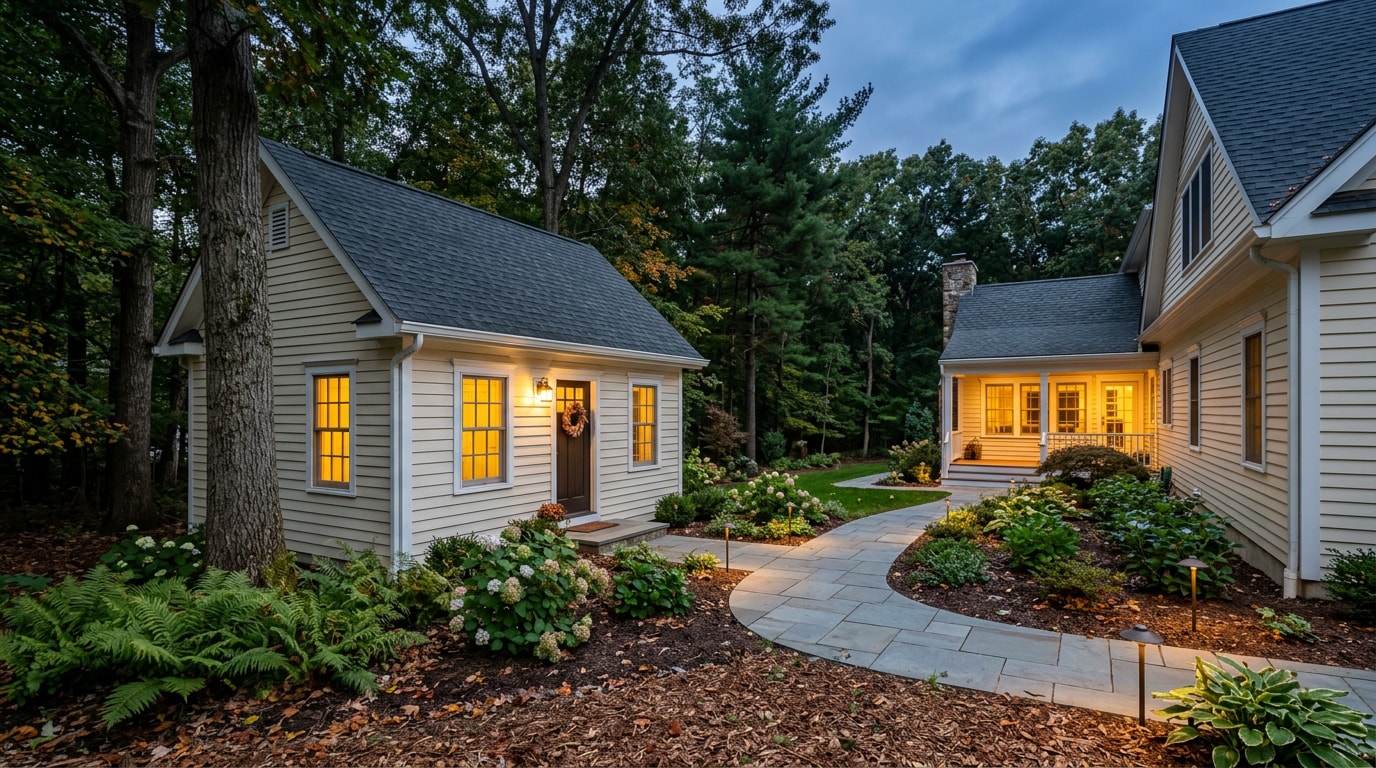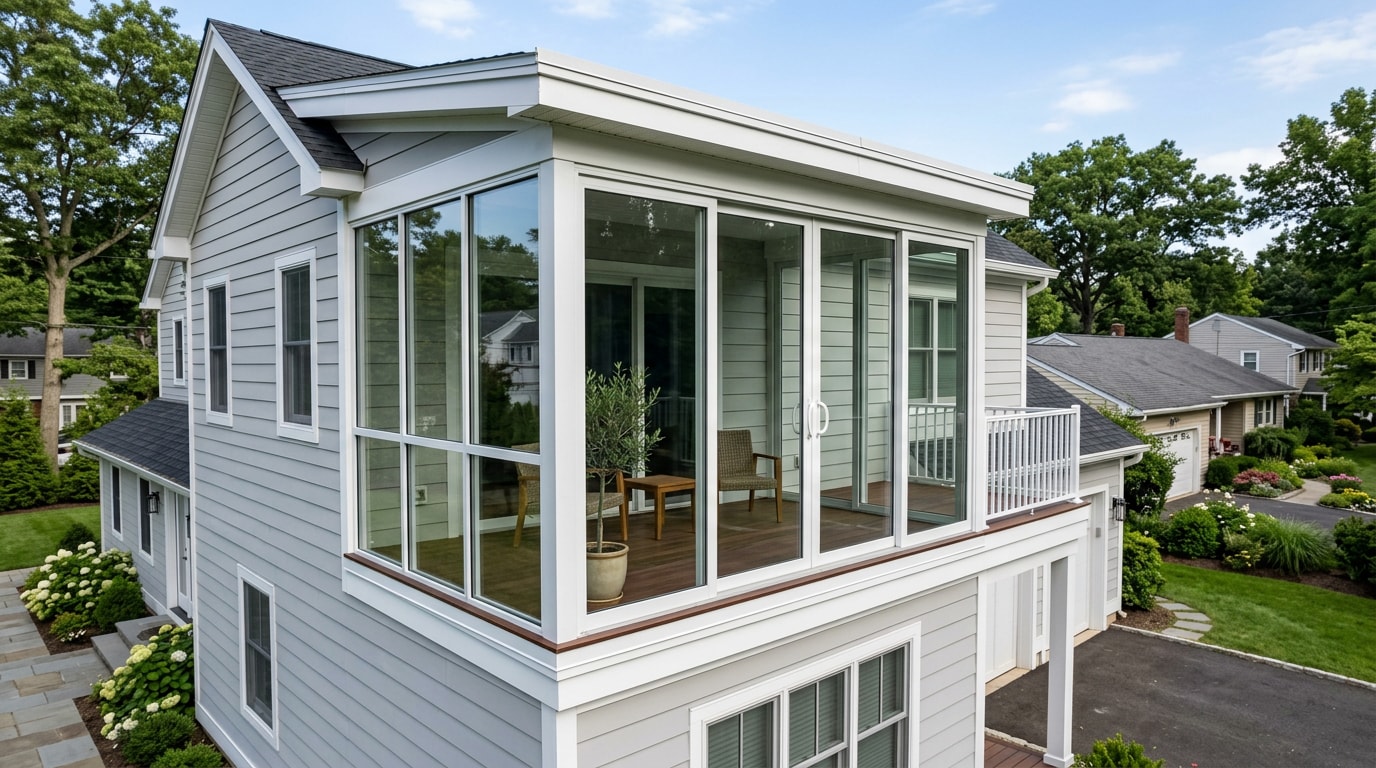

A sunroom extension in Ridgewood, NJ adds bright, usable square footage to an older colonial or Victorian without the full cost of a conventional addition. The right project still comes down to three decisions: which style fits the house, what foundation the lot needs, and how the Bergen County permit process works. Here's what each decision actually costs and requires in 2026.
How Much Does a Sunroom Extension Cost in Ridgewood, NJ?
Sunroom pricing swings more than almost any other addition type because "sunroom" covers everything from a screened patio conversion to a fully insulated, HVAC-conditioned room with a matching roofline. Size, glazing, and whether the room needs to function in January all move the number.
| Sunroom Type | Typical Installed Cost (National Range) | Year-Round Use |
|---|---|---|
| Patio enclosure / screen-to-glass conversion | $10,000 – $30,000 | Spring through fall |
| Three-season room (single-pane or polycarbonate) | $15,000 – $45,000 | Spring through fall |
| Four-season room (insulated, double/triple-pane, HVAC) | $45,000 – $80,000 | Year-round |
| Solarium or conservatory (glass roof, architectural grade) | $65,000 – $150,000+ | Year-round |
These are national ranges pulled from multiple current cost guides, not Ridgewood-specific quotes. Bergen County projects tend to land on the higher half of each range because of local labor rates, tighter lot setbacks, and the extra work involved in tying a new structure into an older home's existing roof and siding.
A few line items drive most of the variation within each category:
- Foundation type — slab, crawl space, or full basement
- Glazing — single-pane versus double- or triple-pane low-E glass
- HVAC tie-in — extending existing ductwork or adding a mini-split
- Roofline match — a custom roof tie-in costs more than a standalone shed roof
- Permit and design fees — architectural drawings and structural review
If you're comparing a sunroom against a full home addition before committing to either, our guide on planning a home addition in Franklin Lakes walks through the same budget and design tradeoffs in more detail.
Sunroom Styles That Fit Ridgewood Homes
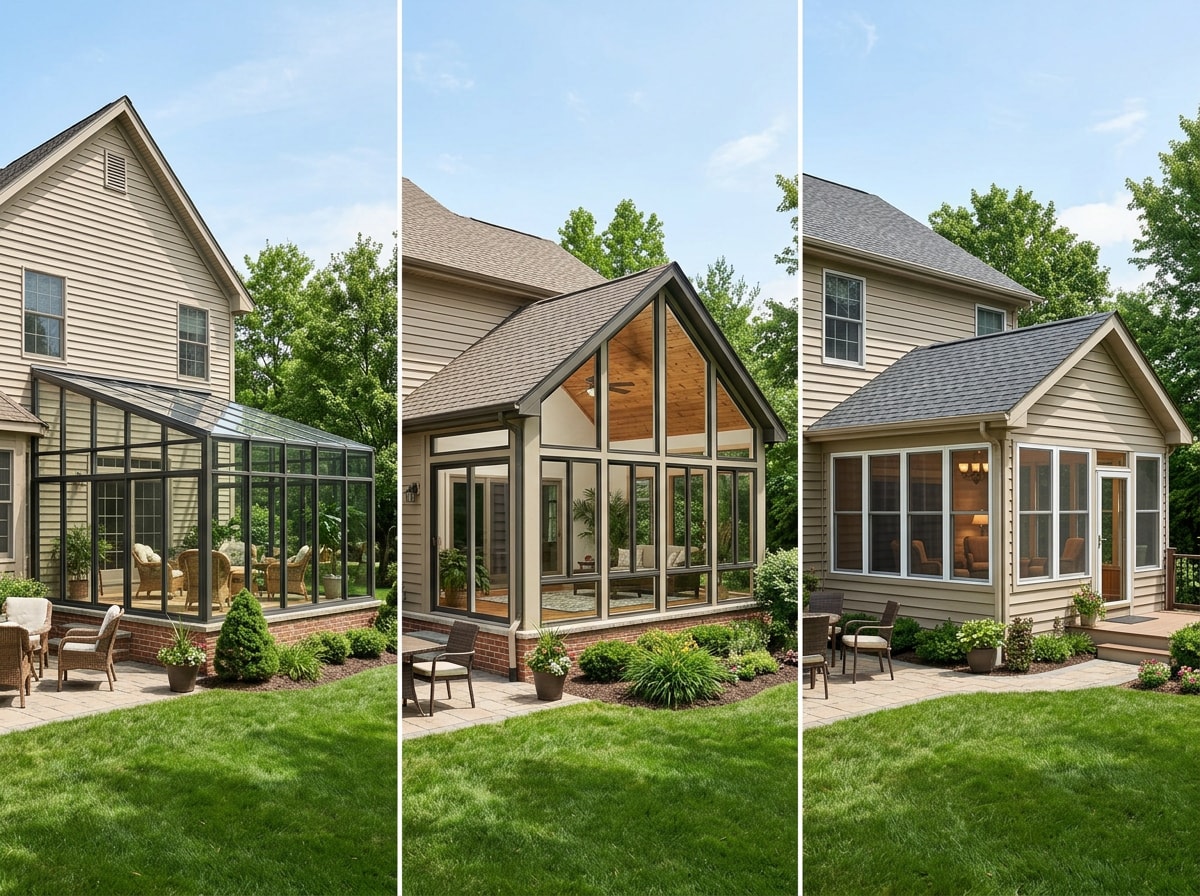
Ridgewood's housing stock leans heavily on older colonials and Victorians, many with rooflines and trim details that a generic prefab kit won't match. The right style depends on how the room will be used and whether it needs to work in winter.
- Solarium — glass-heavy, often with a glass roof, built for maximum light
- Cathedral sunroom — vaulted ceiling design that adds volume and an open feel
- Conservatory — a traditional, ornate style often paired with period homes
- Integrated sunroom — built to blend directly into the home's existing structure and rooflines
- Patio enclosure — an existing patio or deck enclosed with glass or screen panels
- All-season sunroom — insulated, heated, and cooled for use in every month, unlike a three-season room that's closed for winter
Do You Need a Foundation for a Sunroom Addition?
Foundation type is one of the first real decisions in any sunroom project, and it affects cost, timeline, and how the room performs through freeze-thaw cycles.
- Slab foundation — the most economical and common choice for flat, well-drained lots
- Crawl space — costs more but keeps utilities accessible and helps on sloped yards or where flooding is a concern
- Full basement — the most expensive option, worth it only when the homeowner wants finished square footage underneath the sunroom
Foundation depth isn't a matter of preference. New Jersey splits into two frost zones, and Bergen County falls in the northern zone, where footings generally need to extend to a minimum depth set by the state's adopted edition of the International Residential Code's foundation chapter. A licensed contractor coordinates that depth, along with soil conditions on the specific lot, directly with the Ridgewood building department before framing begins.
Permits and Local Building Codes in Ridgewood
New Jersey requires a construction permit for any enclosed sunroom addition under the state's Uniform Construction Code, and most projects also need zoning sign-off depending on setbacks and lot coverage limits. New Jersey's Division of Codes and Standards sets these requirements statewide, though Ridgewood's local building department handles the actual plan review and inspections for the project.
One detail most cost guides skip: New Jersey's energy subcode treats an unconditioned three-season room differently from a fully conditioned four-season room. The three-season version can qualify as a "thermally isolated" space with its own fenestration standard for windows and skylights, separate from the energy calculation that applies to the rest of the house. That distinction can change which glazing package is actually required on paper, so it's worth raising with your contractor before ordering windows.
Energy Efficiency: Keeping a Sunroom Usable Through NJ Winters
A well-built sunroom balances five things: custom design, durable construction that holds up through New Jersey winters, energy-efficient glazing, correct installation, and pricing that includes financing options if needed. Thermal performance matters most in practice. It's the difference between double- or triple-pane glass with a low-E coating and a thinly insulated frame that gets cold by November.
The U.S. Department of Energy's guide to energy-efficient windows explains why a lower U-factor and the right solar heat gain coefficient matter more in a northern climate zone like Bergen County than they do further south. A four-season sunroom built for year-round use should use insulated roof panels and low-E glazing rated for the climate zone, not just whatever glass came with a standard kit.
Featured Ridgewood and Bergen County Sunroom Projects
Local sunroom projects around Ridgewood, NJ often start small: a screened porch conversion, a patio enclosure, or a first-floor addition tied into an existing kitchen or roofline. Seeing real before-and-after work, rather than stock renderings, gives a clearer sense of scale, glazing choices, and how a finished sunroom reads against an older home's exterior.
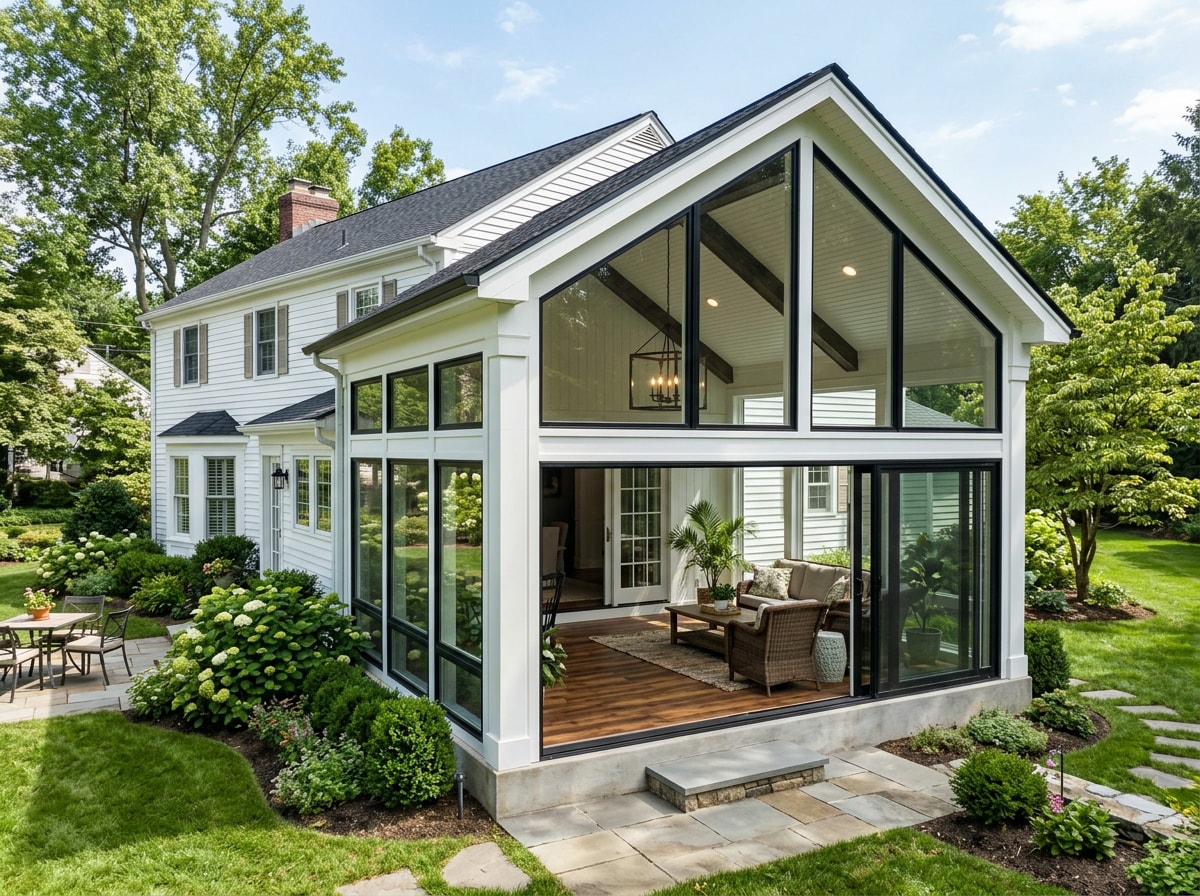
Browse more completed work on our projects page, and for homes where the sunroom's roofline needs to tie into existing shingles or flashing, our roofing contractor team coordinates that integration directly with the addition crew so there's one point of accountability for the whole roofline.
What to Expect From a Free Sunroom Consultation
A typical in-home consultation covers four things: measuring the space, reviewing style options against the home's architecture, selecting glazing and framing materials, and outlining financing options if needed. Most Ridgewood contractors, including our team at Fahmi Home Solutions, offer this walkthrough as a free estimate, with a written proposal following within a few days.
Before requesting a quote, it helps to have a rough budget range and photos of the intended space ready to share. Contact us to schedule a free, no-obligation sunroom consultation for your Ridgewood home.
FAQ
How much does a sunroom extension cost in Ridgewood, NJ?
Expect $15,000 to $45,000 for a three-season room and $45,000 to $80,000 for a fully conditioned four-season room, with glass solariums running higher. Bergen County labor rates and roofline tie-in work typically push Ridgewood projects toward the upper half of each national range.
Can I turn my back porch into a sunroom?
Yes. Converting an existing back porch into a sunroom is one of the most common ways homeowners add this space without extending the home's footprint. The process still requires a structural evaluation to confirm the existing framing can support new glazing, plus insulation and weatherproofing upgrades, and it needs the same permit review as new construction.
Can a sunroom be built on a deck?
It's possible, but the deck's existing framing needs a structural capacity review first. Most decks aren't built to carry the added weight of glazing, roofing, and insulation. A licensed contractor assesses the footings and joists before approving a deck enclosure, and local code compliance still applies as if the structure were new.
Do you need a permit for a sunroom addition in NJ?
Yes. New Jersey requires a construction permit for an enclosed sunroom addition under the state's Uniform Construction Code, and most projects also need zoning approval depending on setbacks and lot coverage limits. Ridgewood's local building department handles the actual permit review and inspections. Skipping this step can create problems later when selling the home.
Does a sunroom add value to your home?
Generally, yes, though not dollar for dollar. National remodeling industry data typically places sunroom resale recoup somewhere in the 40-55% range, varying by region, finish quality, and market conditions. For most Ridgewood homeowners, the bigger return is daily usability: a sunroom extends living space without the cost of a full home addition.
What's the cheapest way to add a sunroom in Ridgewood?
Converting an existing patio or screened porch into a glass enclosure is usually the lowest-cost route, since the foundation and slab are already in place. It still requires a structural check and the same permit process as new construction, so budget for design and inspection fees even on a conversion.