A commercial general contractor North Haledon, NJ business owners hire is the single point of accountability for a build, the person who turns permits, subcontractor bids, and code requirements into a finished space. Skip the vetting step and a "savings" on the bid can turn into weeks of delay once an inspector flags something. Here's what actually separates a contractor who protects your budget from one who blows past it.
We've walked commercial clients in Passaic and Bergen County through retail build-outs, office reconfigurations, and the occasional failed-inspection redo. The guidance below reflects what moves a project forward on an actual job site, not a textbook description of the role.
What Does a Commercial General Contractor Do in North Haledon, NJ?
A commercial general contractor manages every phase of a commercial build, from initial planning through the final walkthrough. This single point of contact coordinates subcontractors, schedules inspections, and keeps the project on budget and on code. Understanding this role upfront makes the rest of the hiring process far less confusing.
Key Responsibilities of a General Contractor
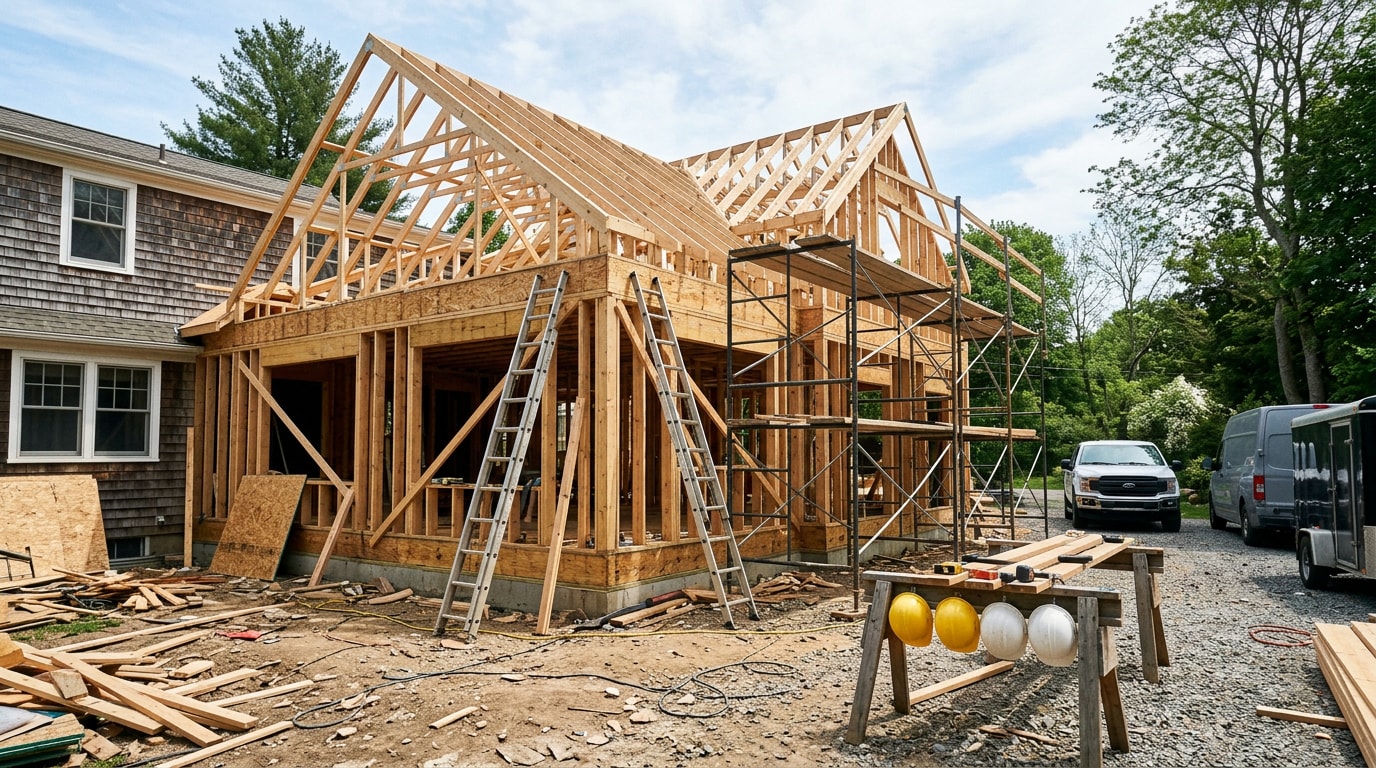
Day to day, a commercial general contractor handles project management from permitting through punch list.
- Building and adjusting the schedule as trades complete work
- Hiring and supervising subcontractors
- Negotiating contracts and tracking the budget as change orders come in
- Confirming framing, electrical, and plumbing crews are working to plan and to code
Site supervision is constant. Someone needs to be on-site verifying work daily, not just reviewing photos at the end of the week. If you're planning a build in Passaic County, our North Haledon, NJ service area page covers how this plays out locally.
Benefits of Hiring a Commercial General Contractor
The value of an established commercial general contractor becomes obvious the moment something goes wrong on site. Experienced GCs carry existing subcontractor relationships, which often means tighter scheduling and fewer gaps between trades than assembling a crew yourself.
Risk mitigation is the bigger issue, though. A licensed, insured GC who schedules inspections properly and sequences trades correctly protects you from the kind of rework that happens when a required inspection gets skipped or MEP work fails code review. Quality assurance through proper sequencing is what actually protects the budget, more than any single line-item discount.
Commercial GC vs. Residential Contractor vs. Construction Manager
The commercial-versus-residential distinction matters more than many owners expect. Commercial projects involve stricter building codes, accessibility requirements, fire-rated assemblies, and inspection sequences that a residential remodeler rarely encounters. Scale matters too: a 10,000-square-foot office build-out involves more trades and tighter municipal coordination than a home renovation.
A construction manager is a different role entirely. A CM typically joins during design and works on a guaranteed-maximum-price model, advising on constructability before pricing is final. A general contractor hired for a fixed-price project usually comes in after design is set and takes on-site delivery responsibility for the build itself.
Types of Commercial Projects We Handle in North Jersey
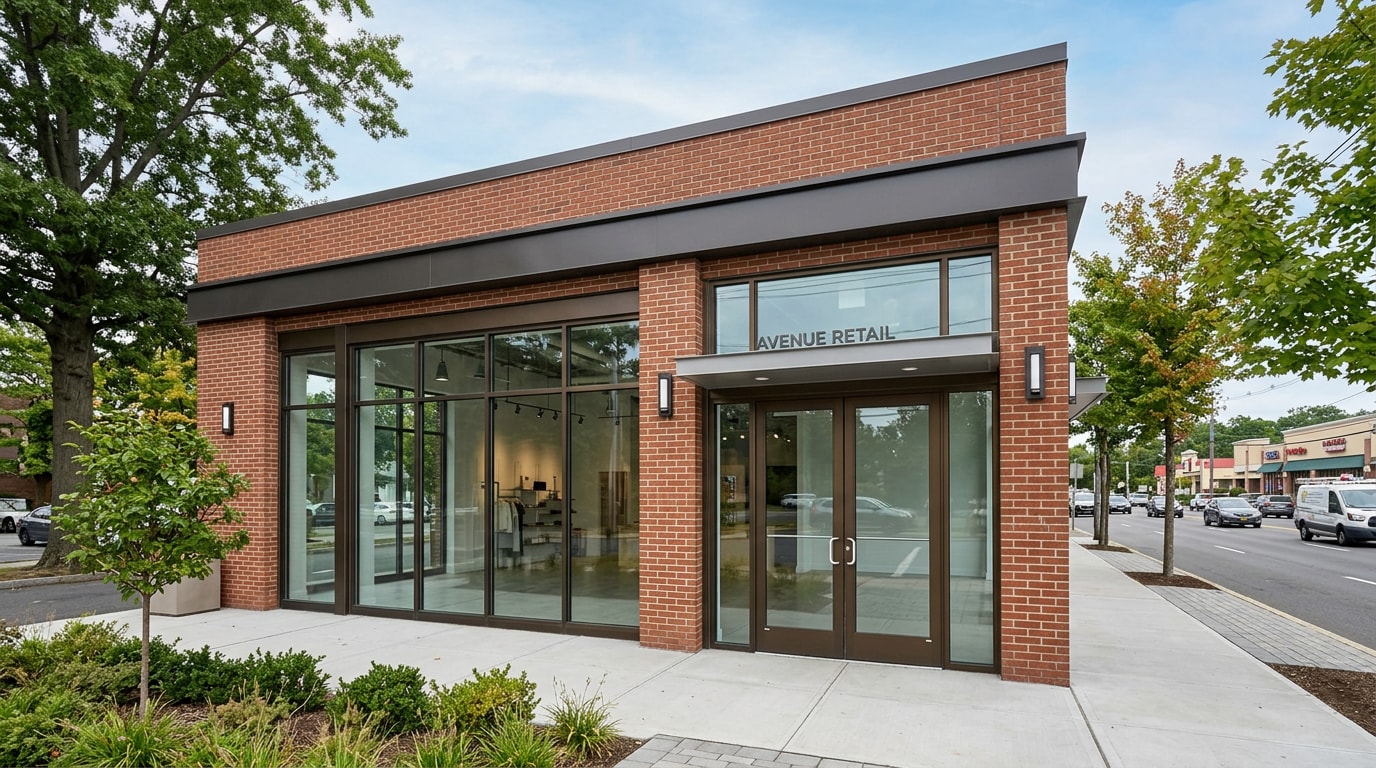
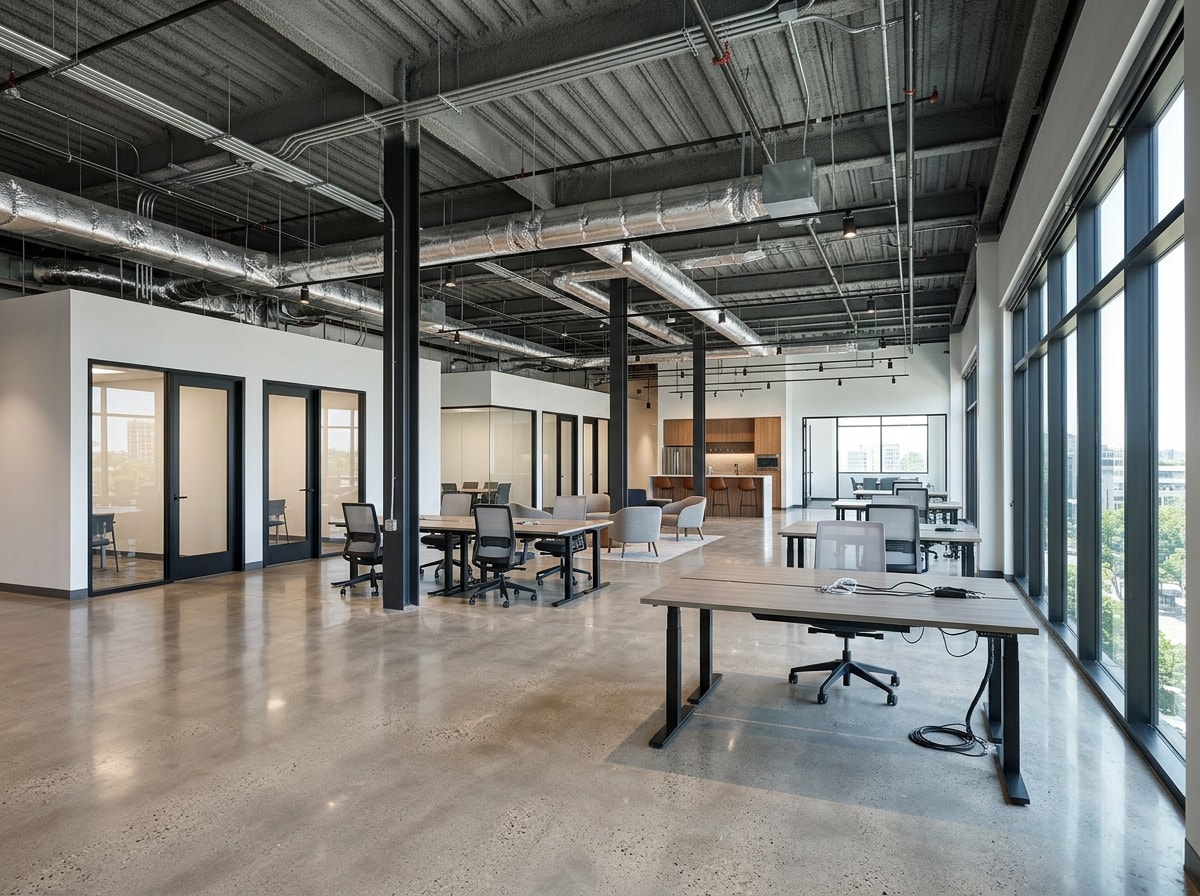
Commercial construction around Passaic County runs from small retail strips to light-industrial space. Office build-outs are common along North Haledon's commercial corridors, where tenants need reconfigured floor plans, updated electrical, and new HVAC zoning. Retail construction ranges from single storefronts to small shopping-center renovations, while restaurant and hospitality projects add grease-trap, ventilation, and health-code requirements on top of standard build-out scope.
| Project Type | Common Compliance Considerations |
|---|---|
| Office build-out | ADA accessible routes, egress, fire-rated partitions |
| Retail / storefront | Signage permits, accessible entrances, occupancy classification |
| Restaurant / hospitality | Grease-trap and ventilation review, health-code sign-off |
| Medical / office-based care | Additional accessibility and infection-control layers |
| Warehouse / light industrial | Reinforced flooring, heavier electrical service, loading-dock egress |
We also serve surrounding towns including Wayne, Wyckoff, Franklin Lakes, and Paramus, where commercial corridors face similar permitting and build-out demands. For a look at how commercial vetting plays out in a neighboring market, our post on commercial construction companies in Paramus, NJ walks through a comparable hiring process.
How to Budget a Commercial Build in NJ (2026 Costs)
Per-square-foot averages get quoted a lot in this industry, but they shift fast enough that leaning on last year's number is a mistake. The producer price index for inputs to new nonresidential construction rose 8.9% from August 2025 to August 2026 as conflicts in the Middle East and tariffs on key materials pushed prices up , and rising materials prices, along with higher labor costs, are making it harder for many projects to pencil out, prompting some developers to delay planned construction . That volatility is exactly why a current, itemized bid beats any blog's average cost range.
Cost drivers for a 2026 commercial construction budget typically include:
- Existing site conditions and demolition scope
- MEP complexity and equipment lead times
- Material and labor availability at bid time
- Local permit and plan-review fees
Rather than quoting a fixed overhead percentage, ask every bidder to break fees out as a line item in the proposal so you can compare apples to apples across contractors.
NJ Commercial Permits & Local Code Compliance
The New Jersey Uniform Construction Code Act established the Department of Community Affairs as the primary building codes and standards agency in the State, and the Uniform Construction Code (UCC), NJAC 5:23 et seq., became effective statewide in 1977 . Commercial plan review checks a project against the UCC, with separate sign-offs required for the building, electrical, plumbing, and fire subcodes. Projects involving a change of use or occupancy also need zoning approval from the local board before construction permits are issued.
Accessibility compliance is its own layer on top of the UCC. Commercial facilities such as office buildings, warehouses, and factories must comply with ADA accessibility standards , and that requirement applies to new construction and alterations regardless of how the local building department handles the base permit. You can review the federal requirements directly on the ADA.gov guidance for businesses.
Municipal permitting timelines vary. North Haledon's process differs from a larger city like Paterson, where higher application volume can mean longer review windows. It's worth confirming current timelines directly with the local building department, since they shift with staffing and caseload. For the statewide code framework itself, see the New Jersey Department of Community Affairs Bureau of Construction Project Review.
Jobsite safety during construction is governed separately from permitting. OSHA's construction standards, formally known as 29 CFR Part 1926, spell out safety and health requirements specifically for construction work, including new construction, demolition, renovation, and repair . Confirm your GC's crews are trained to these standards, not just the general industry rules under Part 1910. OSHA publishes its construction-specific requirements on osha.gov/construction.
How to Choose & Vet a Commercial General Contractor in NJ
Once you understand costs and permitting, vetting candidates is the next step. Before requesting quotes, run every bidder through a short checklist covering licensing, past work, and communication.
Qualifications, Licensing, Insurance & Safety Checklist
- Carries general liability coverage and workers' compensation
- Can show proof of OSHA-based safety training for site crews
- Maintains current New Jersey business registration
- Can produce certificates of insurance directly from the carrier, not just a copy from the contractor
- Has verifiable commercial experience, not just residential remodeling
Confirm commercial experience specifically. A contractor who mostly builds homes may not be familiar with commercial inspection sequencing or occupancy classification.
Researching Candidates & Reviewing Past Projects
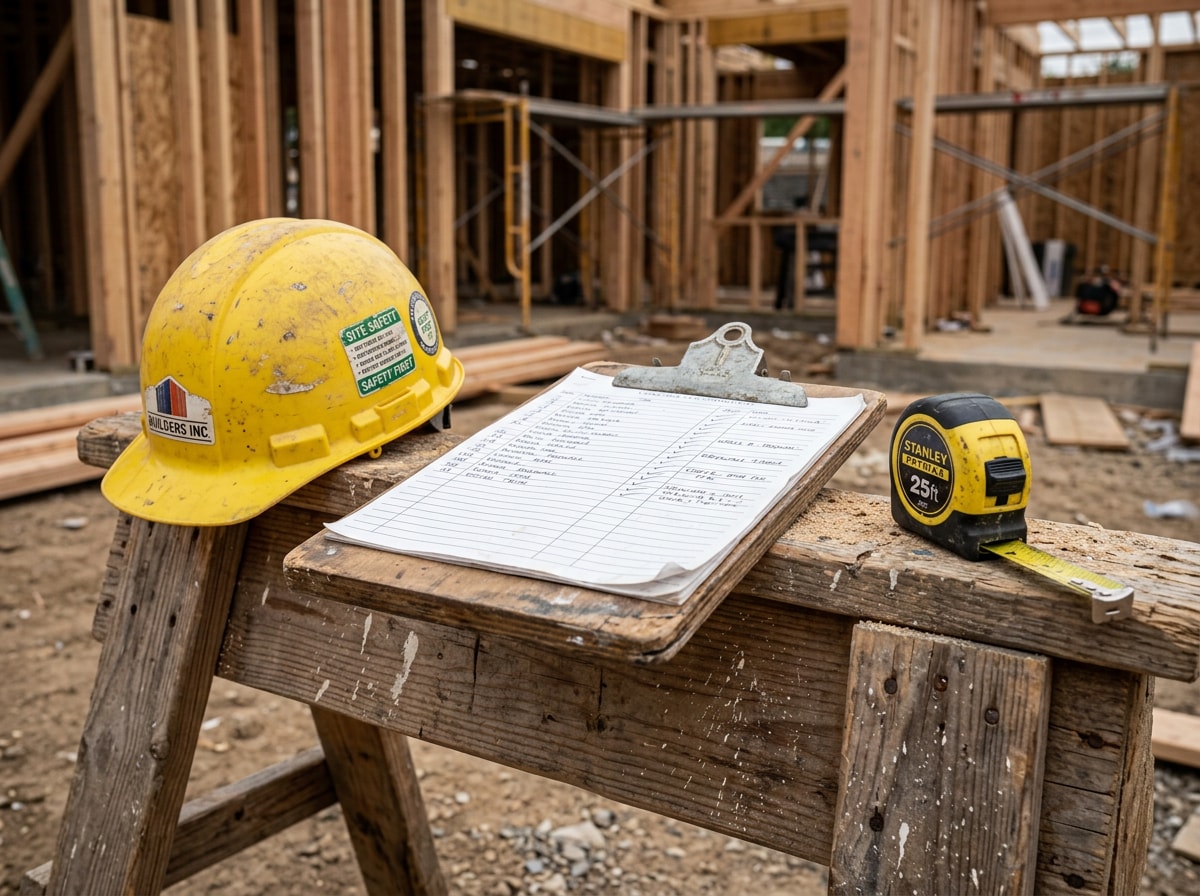
Ask peers in your industry which contractors they've used for similar build-outs, and check review platforms for patterns rather than single complaints. A portfolio review should include projects similar in size and type to yours, not just impressive finished spaces. You can see examples of completed work on our projects page.
Client references matter more than marketing materials. Call at least two past clients and ask specifically about schedule accuracy and how change orders were handled.
Communication, Contracts & Red Flags to Watch For
A clear construction contract should spell out scope, payment schedule, timeline, and change-order procedures in writing before work starts. During the bidding process, a written estimate with itemized costs is standard; vague lump-sum numbers are worth questioning.
Watch for red flags when hiring a contractor:
- Bids significantly lower than every other competitor
- Reluctance to provide references
- No proof of insurance on request
- Pressure to sign before you've reviewed the full contract
A contractor who communicates clearly before the project starts tends to communicate the same way once it's underway. Learn more about our approach on the Fahmi Home Solutions homepage or request a free estimate to start the conversation.
FAQ
How important is it for a general contractor to have insurance and bonding?
Insurance and bonding are essential liability protection for any commercial project. Insurance covers accidents and property damage on site, while bonding guarantees the work gets finished if the contractor can't complete it, protecting your investment either way.
How much does a commercial general contractor cost?
Contractor fees are typically built into the bid to cover project management, supervision, and overhead rather than listed as a flat markup. Total cost varies by project size, scope, and current material pricing, so request itemized bids from at least two or three contractors for a real comparison.
What is the difference between a general contractor and a commercial contractor?
The distinction is mostly about specialization. All commercial contractors are general contractors, but they focus specifically on commercial codes, accessibility compliance, and larger-scale projects rather than residential remodels.
Does New Jersey require a license for commercial general contractors?
New Jersey requires contractor business registration, and commercial projects should confirm any trade-specific licensing requirements with the municipality before signing anything. Confirm registration status before work begins rather than after.
How long does a commercial build-out take in North Haledon, NJ?
Timeline depends heavily on scope and how quickly the municipality processes plan review. A straightforward office or retail build-out often moves faster than a restaurant or medical space, since those add health-code and additional accessibility review on top of the standard UCC process.
What's the difference between a general contractor and a construction manager?
A construction manager typically joins during design and works on a guaranteed-maximum-price model, advising on constructability before pricing is finalized. A general contractor usually comes in after design is set and takes on-site delivery responsibility for the build itself.