Searching for panel builders North Haledon, NJ almost always means one thing: a kitchen, bathroom, or living space update that involves custom panel work. That could be cabinet doors, a backsplash, or decorative wall paneling. Here's what panel builders actually do, which materials hold up in local homes, and what to ask before you sign anything.
What Is a Panel Builder in Home Remodeling?
A panel builder is a remodeling professional who designs, fabricates, and installs flat decorative or functional panels. That includes cabinet doors, backsplash panels, and accent wall panels used throughout kitchens, bathrooms, and living spaces.
The goal is a finished, cohesive look that ties cabinetry, countertops, and walls together.
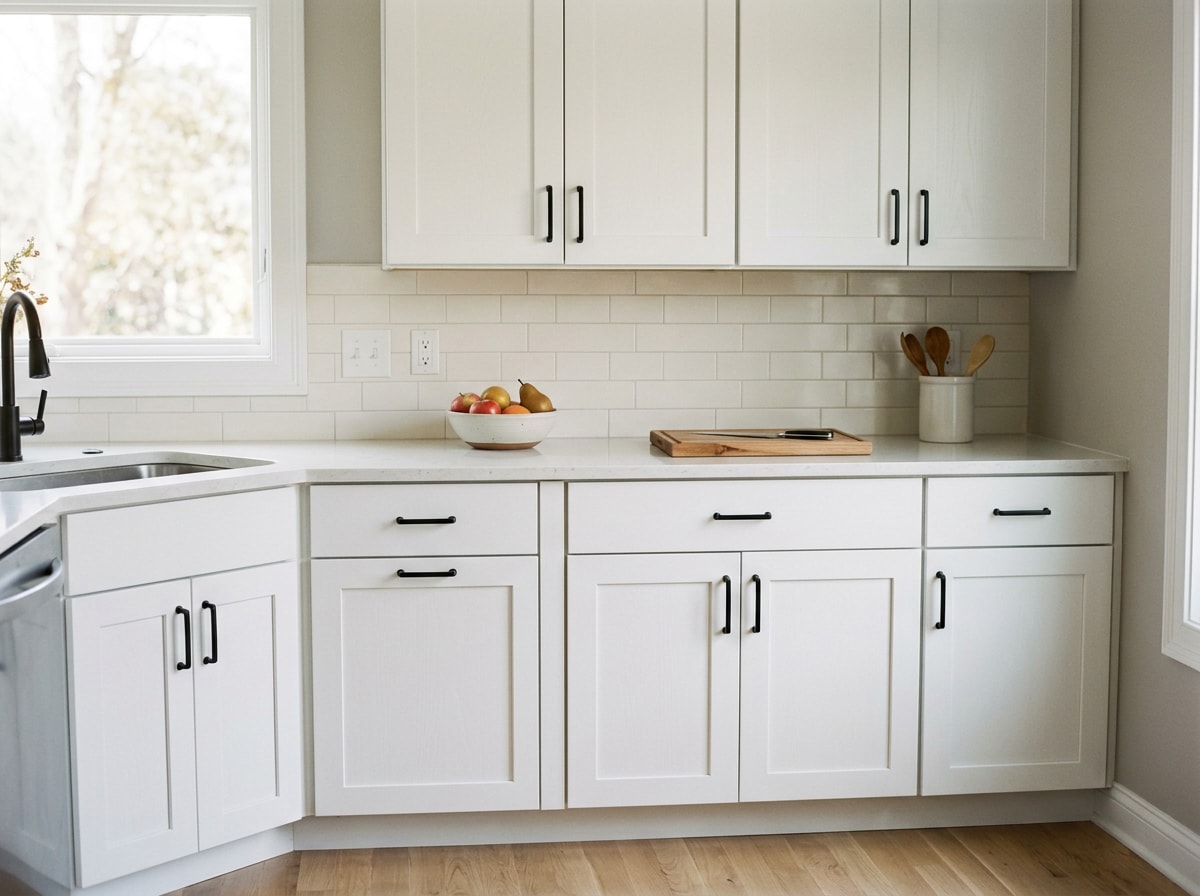
In a residential context, this is different from industrial panel building, which refers to assembling electrical switchgear in a factory setting. Homeowners in North Haledon are almost always looking for the remodeling side: someone who can measure a space, select the right panel material, and install it cleanly around appliances, plumbing, and existing trim.
Types of Panels Found in Modern Homes
North Haledon homes typically use five main categories of panels, each chosen for durability, moisture resistance, or style depending on the room.
- Cabinet door and drawer front panels — flat, raised, or shaker-style fronts for kitchens and bathrooms
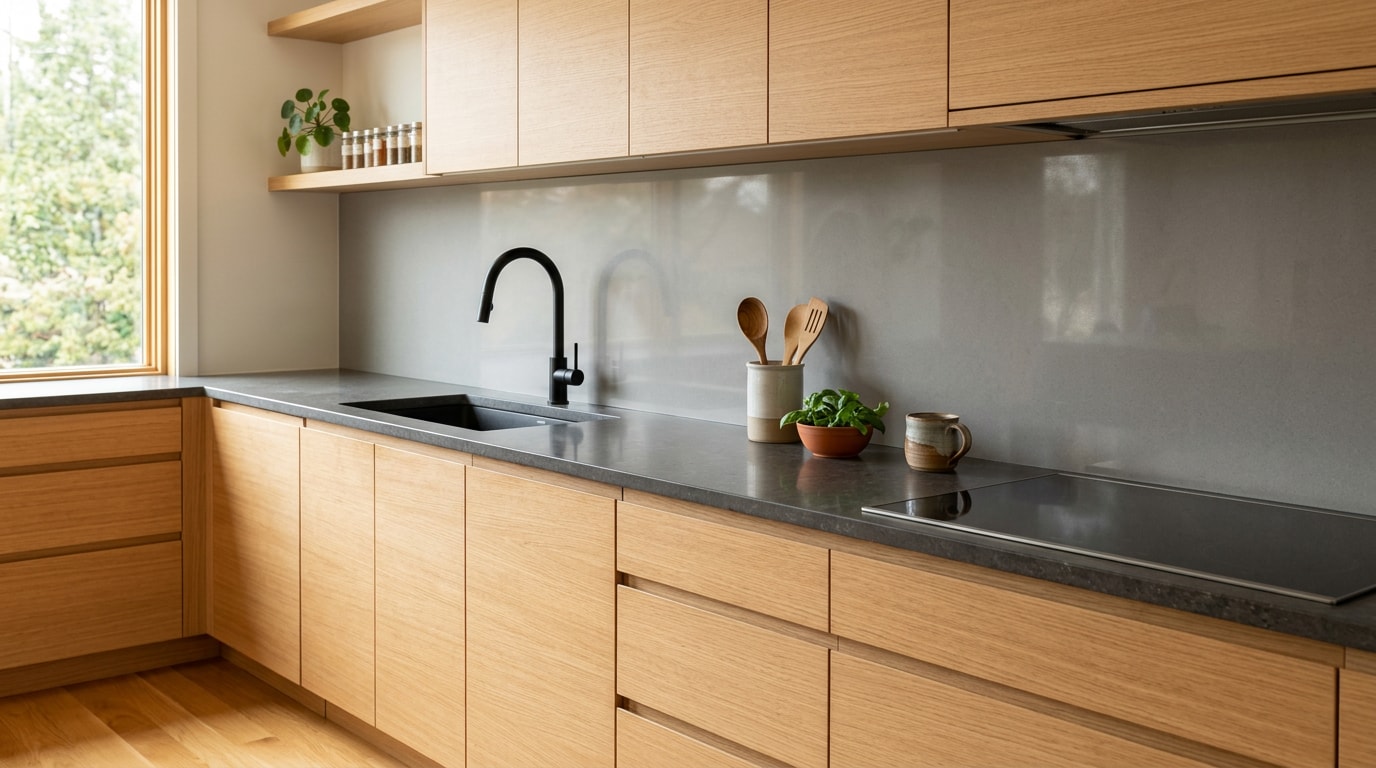
- Backsplash panels — tile, stone, or large-format solid-surface sheets behind countertops
- Bathroom surround panels — waterproof panels used instead of (or alongside) tile in showers and tub surrounds
- Decorative wall panels — shiplap, beadboard, or slat-wood accents in living areas and hallways
- Basement and utility paneling — moisture-resistant boards for finished lower-level spaces
Material choice usually comes down to the room's humidity level and daily wear.
Why North Haledon Homeowners Hire Panel Builders
Most requests start with a kitchen or bathroom remodel. Homeowners want cabinet panels that match a new layout, or they want to swap outdated tile for a sleek backsplash panel. Others are finishing a basement and need wall paneling that can handle occasional dampness without warping.
North Haledon's housing stock includes a mix of mid-century split-levels and older colonials, and in our experience walking through these homes, the original cabinet boxes and wall framing are often still structurally sound even when the surfaces look dated. Replacing just the panels is usually far more affordable than a full gut renovation, since the underlying structure can stay in place.
For projects that touch cabinetry directly, many homeowners in North Haledon) pair panel work with custom cabinet installation so everything is sized and finished together.
What to Look for in a Local Panel Installer
Not every contractor who installs cabinets also builds or fits custom panels well. Panel work requires precise measuring. A panel that's even slightly off can leave visible gaps or misaligned seams.
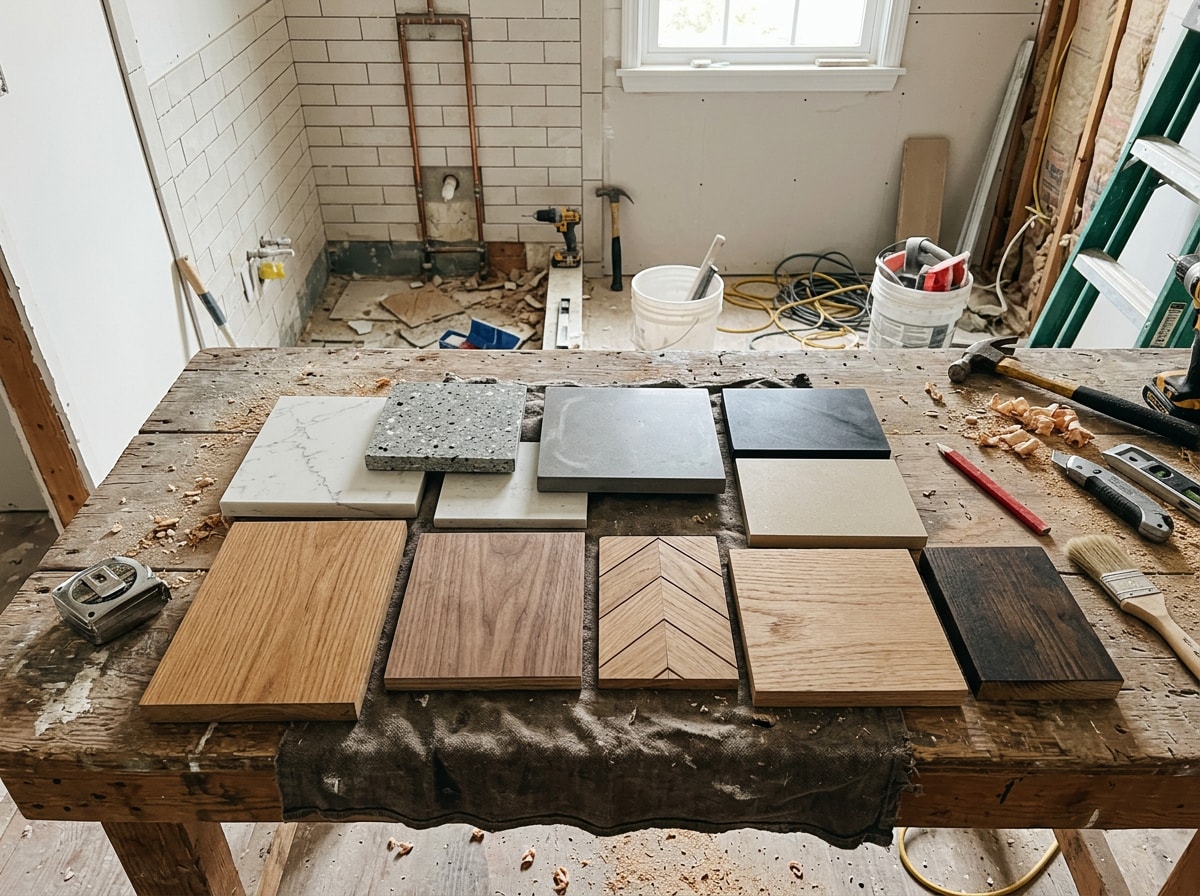
Look for someone who shows you material samples before ordering and who measures the space in person rather than relying on rough estimates. Ask whether they handle both fabrication and installation, or whether panels are built elsewhere and shipped in. Builders who manage the full process tend to catch sizing issues earlier, which usually means fewer delays.
Key Questions to Ask Before You Hire
Before committing, ask a short set of direct questions:
- What panel materials do you recommend for this specific room, and why?
- How do you handle panels around outlets, vents, or plumbing fixtures?
- What's the expected timeline from measurement to final installation?
- How do you address moisture exposure in kitchens or bathrooms?
- Can I see examples of similar panel installations you've completed?
Straightforward answers to these questions usually signal a contractor who's done this type of work before. If you'd like a second opinion on scope or pricing before you commit, you can get a free estimate and compare it against any quote you already have.
Panel Materials and Design Options
Panel material choice depends heavily on the room. Kitchens and bathrooms generally call for moisture-resistant options like marine-grade plywood, sealed MDF, or solid-surface sheets, since humidity and splashing water can warp lower-grade materials over time. Living areas and basements have more flexibility, since moisture exposure tends to be lower there.
| Room | Common Panel Materials | Main Consideration |
|---|---|---|
| Kitchen | Sealed MDF, solid-surface sheets, hardwood plywood | Grease, heat, and daily wear near appliances |
| Bathroom | Marine-grade plywood, waterproof surround panels | Constant humidity and direct water splash |
| Basement | PVC-based panels, engineered wood | Dampness and potential seasonal moisture |
| Living areas | Shiplap, beadboard, engineered wood | Style and low moisture exposure |
Many manufacturers build to the North American consensus standard for hardwood plywood and decorative plywood maintained by the Decorative Hardwoods Association, which is a useful reference point when comparing quoted materials. Not every "waterproof" label on a product means the same thing, so it's reasonable to ask your builder what testing or certification backs that claim.
For bathroom work specifically, panel choices often get paired with bathroom tile installation, and for kitchens, panels are frequently installed alongside a new kitchen backsplash.
The Panel Installation Process
A typical panel installation starts with an in-person measurement and material selection. From there, most builders fabricate or order the panels, which can take anywhere from a few days to several weeks depending on the material and whether it's custom-cut.
Installation itself usually involves:
- Prepping the existing surface
- Cutting panels to fit around outlets or fixtures
- Securing panels with adhesive, fasteners, or a combination of both
- Sealing edges and seams, especially in wet areas
Any project involving structural changes, electrical work, or plumbing adjustments should also comply with state building code requirements. New Jersey's construction code establishes and enforces health, welfare and safety standards for anything built, constructed or erected for use, occupancy or ornament in the state, so it's worth confirming your contractor pulls the necessary permits when the scope calls for it.
Sealing edges and seams matters more than it might seem, since trapped moisture is one of the most common causes of panel failure down the road.
Maintaining and Caring for Your New Panels
Panel maintenance varies by material, but a few habits apply almost everywhere. Wipe spills quickly, especially near seams, and avoid abrasive cleaners that can dull finishes or scratch solid-surface panels. In bathrooms and kitchens, check caulked edges once or twice a year and reseal if you notice gaps.
Humidity control plays a role in how long panels last, too. The key to mold control is moisture control, and indoor mold growth can and should be prevented or controlled by controlling moisture indoors. Running a bathroom fan during and after showers, or using a dehumidifier in a finished basement, can meaningfully cut down on the moisture exposure that leads to warping or mold growth over time.
If a panel starts to lift or discolor, it's generally easier to address early rather than waiting until it spreads to neighboring panels.
Planning a Panel Project in North Haledon
Fahmi Home Solutions handles kitchen and bathroom remodeling, including custom cabinet, countertop, and backsplash panel work, for homeowners across North Haledon and nearby towns. If your project also touches flooring or an aging roof, those are worth evaluating at the same time, since a single coordinated plan is usually more efficient than tackling each surface separately.
For a closer look at how a full remodeling project comes together in this area, see this guide on project builders in North Haledon. You can also browse past work or visit the homepage for a full list of services.
Ready to move forward? Get a free estimate and talk through your panel project, timeline, and material options.
FAQ
What does a residential panel builder actually install?
A residential panel builder installs cabinet door panels, backsplash panels, bathroom surround panels, and decorative wall paneling in kitchens, bathrooms, basements, and living areas, focusing on fit, finish, and moisture resistance.
How is a home panel builder different from an industrial panel builder?
Home panel builders work on decorative and functional surfaces like cabinets and walls. Industrial panel builders assemble electrical switchgear and control panels in a factory setting under separate electrical standards.
How long does a typical panel installation take?
Timelines vary by material and project size, but most residential panel jobs take anywhere from a few days to a few weeks, including measurement, fabrication, and final installation.
Do panel installations in North Haledon require a permit?
It depends on the scope. Simple cabinet or backsplash panel swaps usually don't require permits, but projects involving electrical or plumbing changes typically do under state building codes.
What material holds up best in a bathroom panel installation?
Moisture-resistant options like sealed MDF, marine-grade plywood, or solid-surface panels generally perform best in bathrooms, since they resist warping and swelling from humidity and water exposure.
How much does panel installation cost?
Cost depends on the room size, material, and how much prep work is needed around outlets, fixtures, or existing trim. The most reliable way to get an accurate number is a written estimate with a line-item material breakdown rather than a rough per-square-foot guess.
Can my kitchen or bathroom remodeler also handle panel work, or do I need someone separate?
Many remodelers handle both. The key is confirming they personally measure the space, source suitable materials for that room's moisture level, and manage installation from start to finish rather than subcontracting the fabrication without oversight.