Looking for concrete cutting contractors in Ridgewood, NJ? You're probably not planning a demolition. You're more likely dealing with a broken pipe under a slab, a basement that needs an egress opening, or a driveway section that has to come out before new concrete goes in.
This guide breaks down what the job actually costs, how to vet a contractor before you sign anything, and the specific Ridgewood permit rules most homeowners never hear about until they're mid-project.
How to Choose the Right Concrete Cutting Contractor in Ridgewood
Hiring the right crew is the single biggest factor in whether a concrete cutting job goes cleanly, on budget, and without surprises. Here's what actually separates a solid hire from a headache.
Check Reviews and Track Record
Start with Google reviews, BBB ratings, and how long the company has done concrete cutting specifically, not just general contracting.
A consistent pattern of positive reviews over several years tells you more than a single five-star testimonial on a company's own website. Look for mentions of punctuality, cleanup, and communication, since those are the details that make or break the actual experience.
Ask What Services Are Included
A contractor who offers cutting, core drilling, demolition, and hauling under one roof is usually more efficient than coordinating separate vendors for a single project. Fewer handoffs mean fewer scheduling delays and less risk of miscommunication about exactly where cuts need to happen.
Confirm They Have the Right Equipment
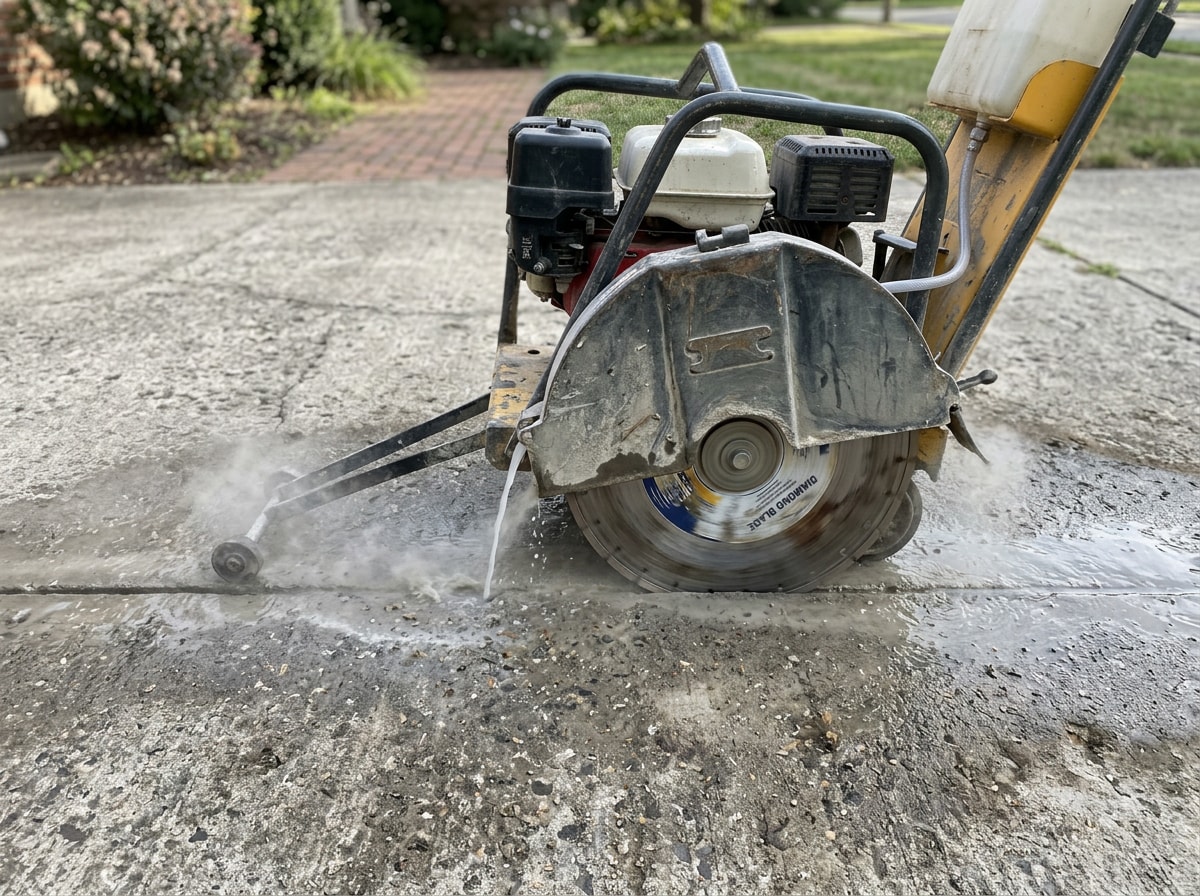
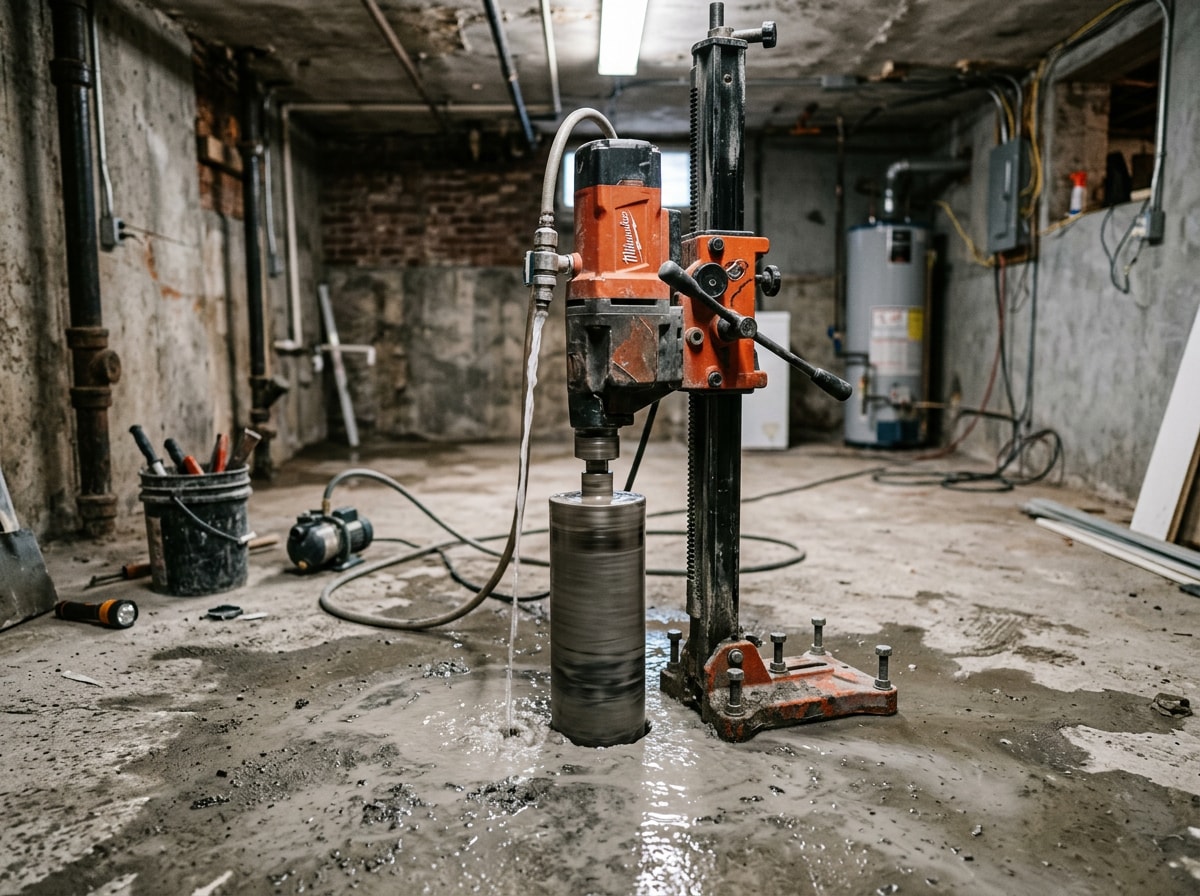
Diamond blades, dust-controlled saws, and core drilling rigs aren't nice-to-haves. They're what separates a clean, precise cut from a cracked slab or a dust-choked jobsite.
Concrete cutting with diamond tools offers benefits including lower total project costs, precision cutting, maintenance of structural integrity, reduced downtime, and reduced noise, dust, and debris. Asking a contractor what equipment they run, and whether technicians are trained on it, is a fair vetting question. Industry bodies like the Concrete Sawing & Drilling Association set training and safety standards that reputable contractors often reference, even in states without a formal certification mandate.
Favor a Local Crew
A Bergen County-based crew typically responds faster and mobilizes at lower cost than an out-of-area contractor trucking in equipment. Local crews also tend to know the practical side of the process, like which Village of Ridgewood department handles driveway and sidewalk permits and roughly how long approval takes.
On our own remodeling projects in the area, we've found that knowing the local permit office in advance can shave days off a timeline that would otherwise stall on paperwork. Our service area page for Ridgewood covers the towns across Bergen County we work in regularly, and you can browse completed work on our projects page.
What Does Concrete Cutting Cost in Ridgewood, NJ?
Pricing for concrete cutting is usually quoted per linear foot for cutting and per square foot for removal, and it climbs fast once rebar, slab thickness, or tight access enter the picture.
| Service | Typical Price Range |
|---|---|
| Flat (slab) sawing | $5 – $15 per linear foot |
| Wall sawing | $15 – $35 per linear foot |
| Core drilling | $80 – $350 per hole, depending on diameter |
| Concrete removal | $2 – $8 per square foot |
| Reinforced concrete (rebar) | Add $1 – $3 per square foot |
Most professional concrete cutting companies also carry a minimum service fee, commonly in the $125 to $400 range, to cover mobilization and equipment setup regardless of job size. New Jersey metro pricing often lands toward the higher end of these ranges because of labor costs and disposal fees tied to hauling.
Treat any published number as a planning range, not a quote. The only reliable way to know your actual price is a site visit, since slab thickness, buried utilities, and access all move the number.
Is DIY Cutting Cheaper?
A rental saw and diamond blade sound appealing next to a contractor's quote. But those savings evaporate quickly once you hit reinforced slabs, buried rebar, or tight access points that a rental-grade saw wasn't built to handle.
Factor in time spent learning the equipment, plus the real risk of a cracked slab or a nicked utility line, and DIY concrete cutting often ends up costing more in time, materials, or repairs than it first appeared to save.
Common Reasons Ridgewood Homeowners Need Concrete Cutting
Bergen County's housing stock adds its own wrinkle: many Ridgewood properties have older slabs, additions, and basement conversions where modern plumbing or electrical work has to pass through concrete that was never designed for easy access.
Typical triggers include:
- Repairing a broken pipe or sewer line running under a slab
- Trenching for new drainage or utility lines
- Resizing a patio, walkway, or driveway section
- Opening a basement wall for an egress window or crawlspace access
- Cutting a floor opening for a new plumbing vent or electrical conduit run
If a remodel also touches flooring, concrete work often overlaps with subfloor prep. Our flooring contractor services and epoxy floor installation team regularly coordinates with concrete cutting crews when a slab needs repair or leveling before new flooring goes down.
Techniques: Slab Sawing, Wall Sawing, and Core Drilling
Not every job calls for the same approach. Matching the right technique to the project is what separates an experienced crew from a rental saw and good intentions.
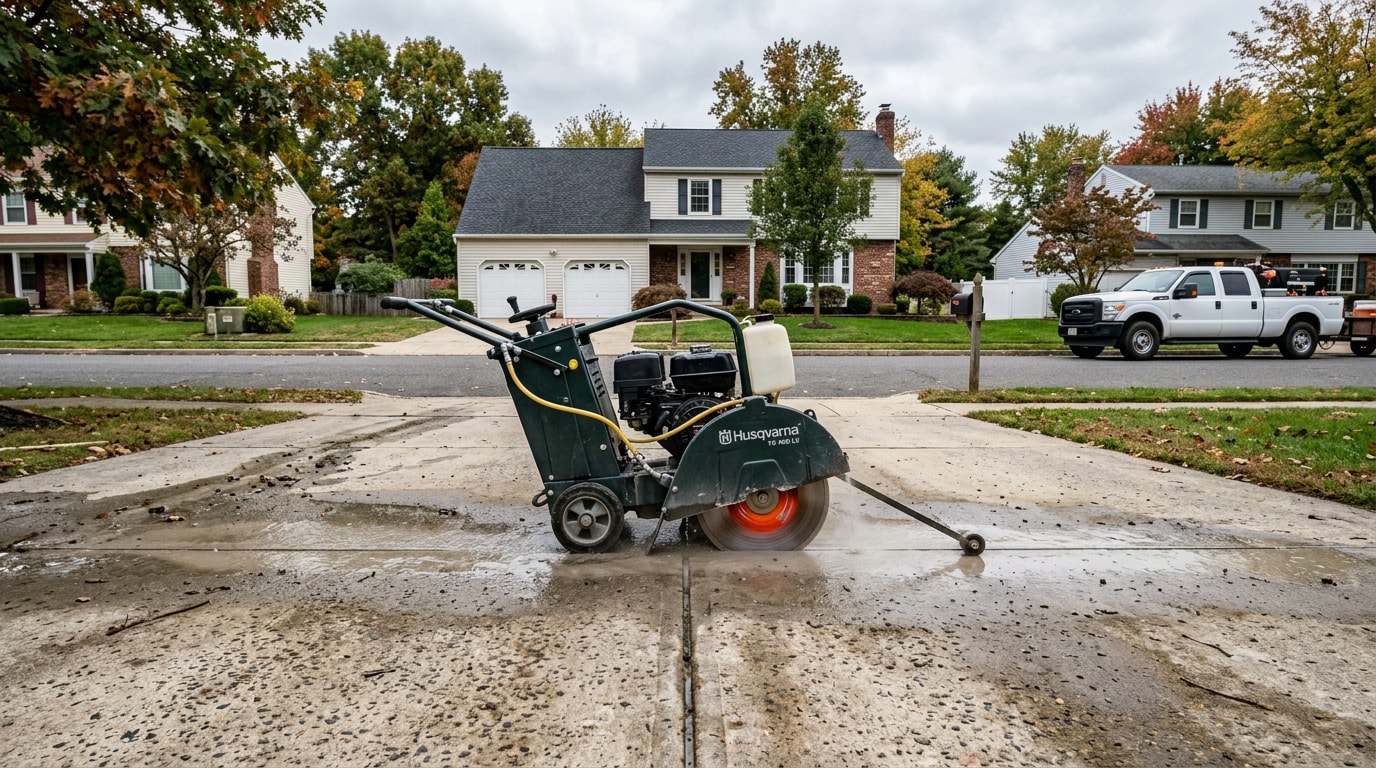
- Slab sawing (flat sawing): Horizontal cuts in driveways, floors, and patios. Common for trenching drainage lines or removing a section of slab.
- Wall sawing: Vertical cuts for a new basement window, door, or crawlspace access point.
- Core drilling: Clean, round openings for utility penetrations, plumbing vents, or electrical conduit.
Timing matters too. Fresh concrete can sometimes be cut earlier using specialized techniques to control cracking, while cured concrete needs different blade speeds and water-cooling to avoid chipping or overheating the blade.
If a project involves rough-in plumbing or fixture relocation, it's worth looping in your bathroom remodeler early, since cutting a floor for new supply or drain lines needs to be sequenced with the rest of the renovation.
Safety and Permit Rules Specific to Ridgewood
Cutting concrete releases fine crystalline silica dust, which is genuinely hazardous to breathe over time. This isn't a minor checklist item. OSHA's Respirable Crystalline Silica standard for construction requires employers to limit worker exposures to respirable crystalline silica and to take other steps to protect workers.
When vetting a contractor, ask directly how they manage silica dust and whether technicians wear respiratory protection, not just a dust mask, on cutting jobs.
Permitting is where a lot of Ridgewood homeowners get caught off guard. New Jersey's Uniform Construction Code adopts codes by regulation, and the codes are administered by the Department of Community Affairs' Division of Codes and Standards. That covers structural work statewide, but Ridgewood layers on its own local permit for anything touching a curb, sidewalk, or driveway apron.
Specifically, no person, firm, or corporation may construct, replace, or repair a sidewalk, curb, or driveway within the limits of any public street without first obtaining a permit from the Director of the Department of Public Works or a designated representative. The Village of Ridgewood Engineering Division handles these applications, and permits for curb, sidewalk, and apron work typically expire 30 days after issuance.
A few more local specifics worth knowing before you book a crew:
- Driveway expansions require a separate zoning review from the Building Department.
- If the work is anywhere near a tree in the public right-of-way, cutting or removing roots requires written authorization from the Village Arborist first.
- Replacement concrete in the right-of-way must meet NJDOT Class B air-entrained specs with a broom finish, and forms must be inspected before the pour.
A contractor who's vague about who pulls the permit, or unaware that Ridgewood requires one for sidewalk and driveway work, is worth a second look.
For remodels that go beyond concrete work, like kitchen additions or full bathroom overhauls, the person coordinating trades on-site matters just as much as who's cutting the slab. Our post on what a general foreman actually does on a remodeling project covers how that role keeps permit timing, subcontractors, and inspections on track.
Get a Quote Before You Commit
Concrete cutting is rarely a standalone decision. It's usually one piece of a bigger project, whether that's an addition, a basement renovation, or a bathroom rebuild that needs new plumbing. A site visit is the only way to get pricing that reflects your actual slab, access, and permit situation.
Get a free estimate from the team at Fahmi Home Solutions before you book a cutting crew, so concrete work gets sequenced correctly with the rest of your remodel instead of becoming its own separate headache.
FAQ
How much does concrete cutting cost in Ridgewood, NJ?
Basic flat sawing typically runs $5 to $15 per linear foot, wall sawing runs $15 to $35 per linear foot, and core drilling runs roughly $80 to $350 per hole depending on diameter. Reinforced concrete adds $1 to $3 per square foot on top of base pricing. Most contractors also charge a minimum service fee of $125 to $400 regardless of job size.
Do I need a permit to cut concrete in Ridgewood?
Yes, for any work touching a curb, sidewalk, or driveway apron in the public right-of-way. The Village of Ridgewood Engineering Division issues curb-sidewalk-apron permits, and driveway expansions also need a separate zoning review from the Building Department.
What's the difference between concrete cutting and concrete demolition?
Cutting uses diamond-blade saws or core drills to make precise, controlled openings or sections for removal. Demolition is broader breaking and removal of concrete, often with jackhammers or breaking equipment, and doesn't require the same precision.
Is concrete cutting messy or disruptive?
It can be dusty without proper controls, which is why reputable contractors use wet-cutting methods to suppress silica dust. Noise is also a factor, so crews typically schedule work within local ordinance hours.
Are concrete cutting contractors certified?
Certification isn't universally mandated, but membership in industry groups like the Concrete Sawing & Drilling Association signals a contractor follows recognized safety and quality standards. It's a reasonable thing to ask about when vetting a crew.
Can concrete be cut in cold weather?
Yes, but cold temperatures affect curing time for any new concrete poured afterward, and some municipalities restrict new sidewalk and driveway permits during winter months. Confirm timing with your contractor if the project involves both cutting and replacement.